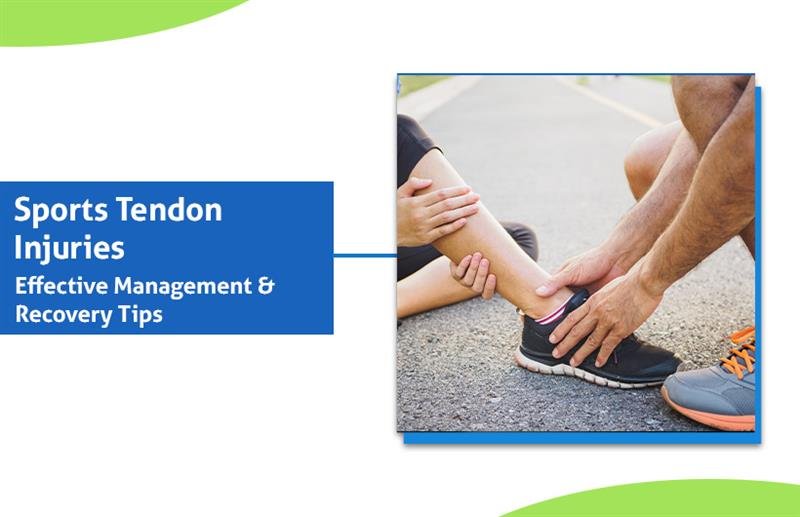
Tendon injuries are among the most common problems faced by athletes and fitness enthusiasts. Whether you’re a professional player or someone who enjoys regular exercise, a tendon injury can disrupt your routine, limit mobility, and take time to heal. The good news is that with the right diagnosis, treatment, and recovery plan, most tendon injuries can heal effectively.
In this blog, Dr. Samip Sheth, a leading orthopedic surgeon in Ahmedabad, shares valuable insights on managing sports tendon injuries, understanding their causes, and how to recover safely to get back to your active lifestyle.
What Are Sports Tendon Injuries and How Do They Occur?
Tendons are strong, flexible cords of fibrous tissue that connect muscles to bones. They play a crucial role in movement, allowing your muscles to pull on bones and create motion. When these tendons are overstretched or torn due to repetitive motion, sudden impact, or overuse, it results in a tendon injury.
Common types of sports tendon injuries include:
- Tendonitis: Inflammation of a tendon, often due to overuse.
- Tendinosis: Chronic degeneration of the tendon without inflammation.
- Partial or complete tendon tear: A severe injury where the tendon fibers are significantly damaged or completely ruptured.
Commonly affected areas include:
- Achilles tendon (back of the ankle) – seen in runners and jumpers.
- Patellar tendon (front of the knee) – common in basketball or volleyball players.
- Rotator cuff tendons (shoulder) – Frequently injured in swimmers and tennis players.
- Elbow tendons – known as tennis elbow or golfer’s elbow.
These injuries often occur from repetitive strain, sudden movements, improper warm-up, or poor technique during training or sports. Athletes who push their limits without adequate rest are at a higher risk.
How Are Sports Tendon Injuries Diagnosed and Treated?
Early diagnosis plays a key role in preventing long-term complications. When you visit an orthopedic clinic in Ahmedabad, the doctor will begin with a detailed history of your symptoms and physical examination. Imaging tests such as ultrasound or MRI may be recommended to evaluate the extent of the tendon damage.
According to Dr. Samip Sheth, the treatment approach depends on the severity of the injury:
1. Rest and Activity Modification
For mild tendon injuries, resting the affected area and avoiding high-impact activities allows the tendon to heal naturally. Applying ice packs and using compression can help reduce swelling and pain.
2. Physical Therapy
Once the pain subsides, physical therapy becomes an essential part of recovery. Specific stretching and strengthening exercises help restore flexibility, balance, and strength. A physiotherapist may also use techniques like ultrasound therapy or electrical stimulation to promote healing.
3. Medications
Non-steroidal anti-inflammatory drugs (NSAIDs) such as ibuprofen may be prescribed to control inflammation and pain. However, these should be taken under medical supervision to avoid side effects.
4. Injection Treatments
In some cases, corticosteroid or platelet-rich plasma (PRP) injections are used to reduce inflammation and stimulate tendon repair. PRP therapy uses the patient’s own blood components to accelerate the healing process.
5. Surgical Intervention
For severe or chronic tendon tears that don’t respond to conservative treatment, surgery might be required. During the procedure, the torn tendon is repaired and reattached to the bone. Minimally invasive techniques, such as arthroscopy, allow faster recovery and reduced scarring.
If you’re dealing with a persistent sports-related tendon injury, consulting a sports injury specialist in Ahmedabad like Dr. Samip Sheth can ensure accurate diagnosis and the most effective treatment plan tailored to your condition.
What Are the Best Recovery Tips After a Tendon Injury?
Recovering from a tendon injury requires patience and commitment. The process may take weeks or even months, depending on the severity of the injury and how well you follow your rehabilitation plan. Here are some expert-recommended recovery tips to ensure a smooth healing journey:
1. Gradual Return to Activity
Avoid jumping back into sports too soon. Start with low-impact exercises like walking, cycling, or swimming, and gradually increase intensity. Sudden stress on a healing tendon can cause re-injury.
2. Follow a Rehabilitation Plan
Stick to the exercise routine prescribed by your physiotherapist or orthopedic specialist. These exercises are designed to improve range of motion, strengthen the tendon, and prevent stiffness.
3. Nutrition for Healing
A diet rich in protein, vitamin C, omega-3 fatty acids, and collagen-boosting foods supports tissue repair. Staying hydrated also helps maintain flexibility in the tendons.
4. Use Proper Sports Gear
Wearing well-fitted shoes, braces, or supports can reduce pressure on injured tendons and provide stability during recovery.
5. Prioritize Warm-Up and Cool-Down
Always warm up before physical activity and cool down afterward. Stretching increases blood flow and flexibility, reducing the risk of future tendon injuries.
6. Listen to Your Body
Pain is a warning sign. If you feel discomfort, stop the activity and rest. Ignoring pain can worsen the injury and delay healing.
When Should You See a Sports Injury Specialist?
You should seek medical attention if you experience:
- Persistent pain or swelling that doesn’t improve with rest
- Difficulty moving the affected joint
- A snapping sound or sudden sharp pain during exercise
- Weakness in the injured area
Early consultation with a sports tendon injury doctor near you can prevent minor injuries from turning into chronic problems. Expert evaluation ensures that the right diagnostic tools and treatments are used, reducing downtime and promoting quicker recovery.
How to Prevent Sports Tendon Injuries
Prevention is always better than a cure. By adopting proper training techniques and maintaining physical balance, you can significantly reduce the risk of tendon injuries. Here’s how:
- Warm up properly before engaging in any sport or workout.
- Include flexibility and strengthening exercises in your training routine.
- Gradually increase workout intensity instead of sudden changes.
- Take regular breaks to allow your body to recover.
- Maintain proper posture and form during sports and exercise.
Conclusion
Sports tendon injuries can affect anyone, from professional athletes to weekend joggers. However, timely treatment, guided rehabilitation, and preventive care can help you recover completely and avoid recurrence.
At Dr. Samip Sheth’s orthopedic clinic in Ahmedabad, patients receive personalized care designed to restore strength, mobility, and confidence. Whether it’s a mild tendon strain or a complex tear, expert evaluation and modern treatment approaches can help you get back in action safely.
If you’re struggling with pain, stiffness, or reduced movement after a sports injury, don’t ignore the signs. Consult an experienced sports injury specialist in Ahmedabad for proper diagnosis and effective recovery.