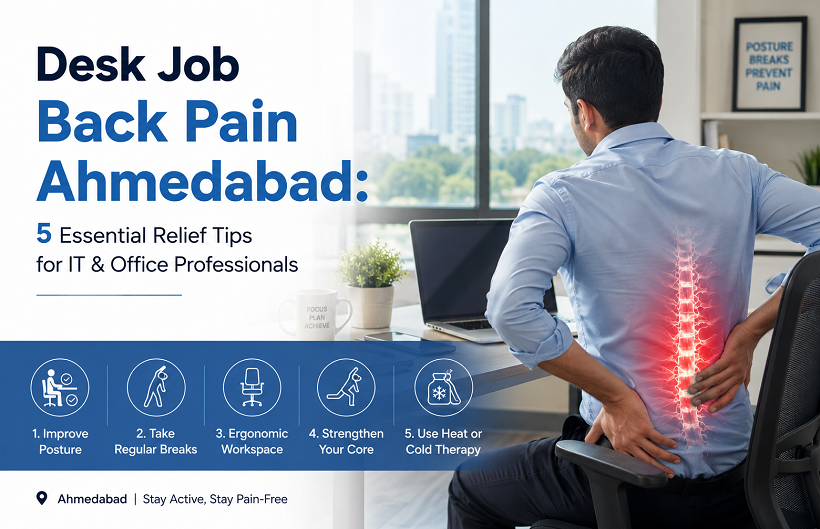

In today’s fast-paced work environment, neck pain has become one of the most common complaints among professionals. Long hours spent at desks, constant use of laptops and smartphones, and poor posture are contributing factors. Many people experiencing stiffness, headaches, or tingling in their arms may actually be dealing with cervical spondylosis, a degenerative condition of the neck spine. In this guide, we’ll explore what cervical spondylosis is, why it’s increasingly common among working professionals, and the treatments available to prevent long-term damage.
What Is Cervical Spondylosis and Who Is at Risk?
Cervical spondylosis is a degenerative condition in which the discs and joints of the neck gradually weaken and wear out over time due to ageing and continuous strain. As we age, the discs lose water content, become less flexible, and may start to shrink. This leads to changes in the vertebrae and the development of bone spurs, which can compress nearby nerves.
While cervical spondylosis is more common in people over 50, modern lifestyle habits mean that even younger working professionals in their 30s and 40s are now experiencing neck pain. Poor posture, prolonged hours of desk work, and frequent use of handheld devices can accelerate disc degeneration and lead to symptoms much earlier than expected.
Risk factors include:
- Sitting for long periods with a hunched posture
- Repetitive neck movements, such as looking down at phones or monitors
- Sedentary lifestyle and lack of regular neck or shoulder exercises
- Previous neck injuries or trauma
- Genetic predisposition
Dr. Samip Sheth, a leading cervical spondylosis doctor in Ahmedabad, emphasises that early diagnosis is key. “Many patients ignore mild neck stiffness, assuming it’s just stress or fatigue. But early intervention can prevent more serious complications like nerve compression and chronic pain,” he explains.
What Are the Common Signs and Symptoms?
Understanding the symptoms of cervical spondylosis can help you seek timely treatment. Common signs include:
1. Neck Pain and Stiffness: The most noticeable symptom is a persistent pain in the neck, which may worsen with prolonged sitting or standing.
2. Shoulder and Arm Discomfort: Pain can radiate to the shoulders, arms, and even hands due to nerve irritation.
3. Headaches: Cervical spondylosis often causes tension headaches, especially at the back of the head.
4. Numbness or Tingling: Compression of nerves in the cervical spine may result in numbness, tingling, or weakness in the arms or hands.
5. Limited Range of Motion: You may find it difficult to turn your head or look upwards comfortably.
For working professionals, these symptoms can significantly affect productivity and daily activities. Regular breaks, ergonomic adjustments, and timely consultation with a neck pain specialist can help manage these symptoms effectively.
How Is Cervical Spondylosis Diagnosed?
Diagnosis usually begins with a thorough clinical evaluation by an orthopedic doctor in Ahmedabad or a spine specialist. The doctor will review your medical history, discuss your symptoms, and conduct a physical examination to check neck flexibility, muscle strength, and nerve function.
Additional tests may include:
- X-rays: To identify bone spurs and disc degeneration
- MRI or CT scans: To assess soft tissue, disc herniation, or nerve compression
- Electromyography (EMG): To evaluate nerve function and detect nerve damage
Dr. Samip Sheth stresses that early detection is crucial. “Imaging studies allow us to understand the extent of degeneration and plan a treatment strategy that avoids surgery whenever possible,” he says.
What Treatment Options Are Available?
The approach to treating cervical spondylosis varies based on how advanced the condition is. Many patients respond well to conservative methods, while severe cases may require interventional procedures.
1. Lifestyle Modifications and Ergonomics
- Adjust your workstation so your monitor is at eye level
- Use chairs with proper back and neck support
- Pause your work regularly to gently stretch and mobilise your neck.
- Avoid prolonged use of smartphones or tablets in a bent-neck position
2. Physical Therapy and Exercises
A targeted exercise program can strengthen neck muscles, improve flexibility, and reduce stiffness. Common exercises include neck stretches, shoulder rolls, and posture correction techniques. A neck pain treatment in Ahmedabad often incorporates physiotherapy sessions to help patients regain mobility and reduce pain.
3. Medications
Pain relievers, anti-inflammatory drugs, and muscle relaxants may be prescribed to manage symptoms. Dr. Samip Sheth notes that medications are typically a short-term solution and work best when combined with lifestyle changes and regular exercise.
4. Interventional Procedures
In cases where conservative treatments fail, procedures like nerve blocks, epidural injections, or minimally invasive surgery may be recommended to relieve pain and restore function. These procedures are performed under expert supervision to ensure safety and effectiveness.
Can Cervical Spondylosis Be Prevented?
While age-related changes cannot be completely prevented, the progression of cervical spondylosis can be slowed with the right strategies. Prevention tips include:
- Keeping the spine properly aligned while sitting, standing, and using digital devices.
- Regular neck and shoulder exercises to strengthen supporting muscles
- Ergonomic workplace setup with adjustable chairs, monitors, and keyboard placement
- Avoiding repetitive strain by taking breaks and changing positions frequently
- Consulting a cervical spondylosis doctor in Ahmedabad at the first sign of neck discomfort
Early attention not only reduces pain but also prevents long-term complications such as nerve damage, chronic headaches, or loss of mobility.
When to See a Doctor
You should consider consulting a neck pain doctor near you if you experience any of the following symptoms:
- Neck pain that does not improve even after several weeks.
- Numbness or tingling in your arms or hands
- Weakness in the muscles of the shoulders, arms, or hands
- Severe headaches associated with neck stiffness
- Difficulty in performing daily activities due to neck pain
A timely visit to an experienced orthopaedic doctor in Ahmedabad can make a significant difference in treatment outcomes.
Dr. Samip Sheth concludes, “Many working professionals underestimate the impact of chronic neck strain. With early diagnosis, proper exercises, ergonomic adjustments, and medical guidance, cervical spondylosis can be effectively managed without major interventions.
Neck pain should never be ignored, especially in the modern work environment. Understanding cervical spondylosis, recognising early symptoms, and consulting the right specialist can help you stay active, pain-free, and productive. If you are experiencing persistent neck discomfort, it’s time to prioritise your spinal health and seek expert care.