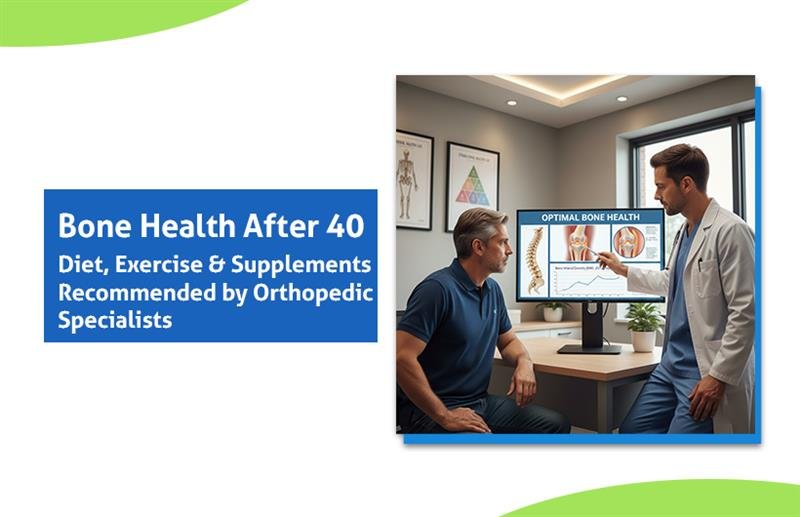
Strong bones are the foundation of an active, independent life, especially after age 40. This is the stage when bone density naturally begins to decline, making the body more vulnerable to fractures, joint pain, stiffness, and osteoporosis. While ageing is unavoidable, poor bone health doesn’t have to be. With the right diet, lifestyle habits, and timely medical guidance, you can maintain healthy bones well into older age. In this blog, orthopaedic specialists share easy and practical bone health tips to help you stay strong, mobile, and pain-free.
Dr Samip Sheth, a trusted orthopaedic doctor in Ahmedabad, emphasises that maintaining and strengthening bone health after 40 requires daily care, not just treatment when pain begins. The good news is that simple and consistent habits can make a huge difference.
Why Does Bone Health Decline After 40?
Bone is a living tissue that constantly renews itself. However, after the age of 40, the natural process of bone breakdown begins to outpace bone formation. Several factors contribute to this:
- Hormonal changes, especially in women during perimenopause and menopause
- Lower physical activity levels
- Reduced calcium and vitamin D absorption
- Lifestyle factors like smoking, alcohol, and a poor diet
- Existing health conditions, such as thyroid issues or arthritis
If not addressed early, these changes can lead to weak bones, frequent fractures, and mobility challenges in later years. That’s why early prevention is key.
What Are the Best Diet Tips for Bone Health After 40?
Your diet plays the biggest role in maintaining strong bones, especially as you age. Here are essential nutrition guidelines recommended by orthopaedic specialists:
1. Increase Calcium-Rich Foods
Calcium is the building block of bones. After 40, your body needs enough calcium to compensate for the natural decline in bone density. Include foods like:
- Dairy: milk, curd, paneer
- Green leafy vegetables: spinach, kale, methi
- Seeds: sesame seeds, chia seeds
- Almonds
- Ragi, soy products, tofu
Most adults over 40 need 1,000–1,200 mg of calcium daily.
2. Boost Vitamin D Levels
Vitamin D helps the body absorb calcium effectively. Without vitamin D, even the healthiest diet won’t support bone health. Sources include:
- Sunlight (10–20 minutes daily)
- Egg yolk
- Fortified milk
- Mushrooms
Many Indians have a vitamin D deficiency, which may require supplements based on your doctor’s advice.
3. Prioritise Magnesium and Vitamin K
These nutrients improve bone density and support calcium metabolism.
- Magnesium sources: bananas, nuts, whole grains, pumpkin seeds
- Vitamin K sources: cabbage, broccoli, spinach
4. Protein for Strong Muscles and Bones
Muscles protect bones and improve balance. Ensure you get enough protein from:
- Dals and legumes
- Paneer and curd
- Eggs and chicken
- Soya chunks
5. Limit Salt, Sugar, and Soft Drinks
High salt and sugar intake increases calcium loss from the bones. Soft drinks contain phosphoric acid, which can weaken bone structure over time.
A well-balanced diet is a simple but powerful way to maintain bone health for older ages.
What Type of Exercise Helps Improve Bone Health After 40?
Movement is medicine, especially for your bones. According to Dr. Samip Sheth, regular physical activity helps preserve bone mass, strengthen muscles, and improve balance, reducing the risk of falls and fractures.
Here are the most effective exercises:
1. Weight-Bearing Exercises
These activities make your body work against gravity, helping build bone density.
- Brisk walking
- Jogging
- Climbing stairs
- Dancing
- Low-impact aerobics
Aim for 30 minutes a day, 5 days a week.
2. Strength Training
Lifting weights or using resistance bands increases bone mass and muscular strength.
Try exercises like:
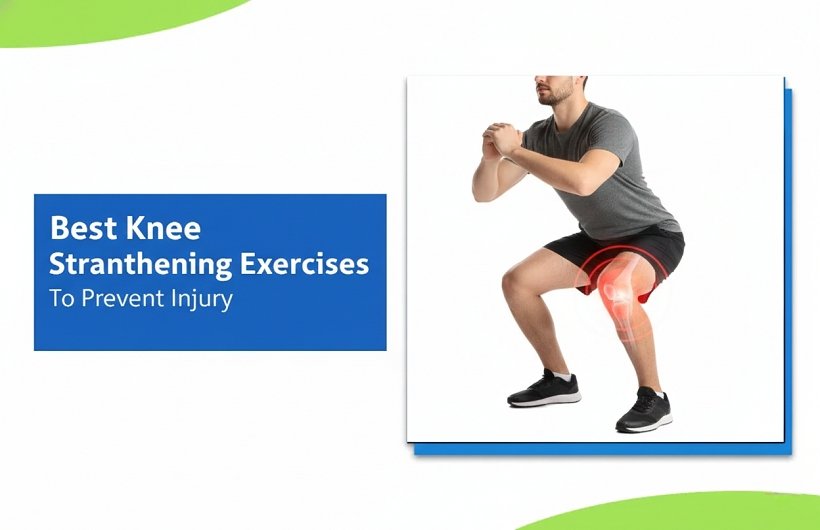
- Squats
- Lunges
- Leg press
- Bicep curls
- Chest press
Start with light weights and gradually increase under guidance.
3. Balance and Flexibility Exercises
These help prevent falls and improve joint mobility:
- Yoga
- Tai chi
- Stretching routines
4. Core Strengthening
A strong core supports the spine and hips, reducing injury risk.
Examples:
- Planks
- Bridges
- Pelvic tilts
If you have knee pain, arthritis, or other joint issues, always consult a bone specialist doctor or your orthopaedic expert before starting any new exercise routine.
Do You Need Supplements for Better Bone Health After 40?
Although it’s best to get nutrients from food, many adults over 40 may still fall short, especially for calcium and vitamin D.
Supplements may be recommended if:
- You have a chronic vitamin D deficiency
- Your diet lacks calcium
- You have early signs of osteoporosis
- You experience frequent cramps or muscle weakness
Common supplements include:
- Calcium tablets
- Vitamin D3
- Magnesium
- Omega-3 fatty acids
- Vitamin K2-7
Always take supplements under medical supervision. Overconsumption may cause kidney stones or other complications. Dr. Samip Sheth advises patients to get a bone density test if they experience recurring pain or suspect low bone strength.
When Should You Visit an Orthopaedic Doctor?
You should visit an orthopaedic specialist if you experience:
- Frequent back or neck pain
- Repeated fractures
- Joint stiffness or swelling
- Trouble walking or balancing
- Persistent knee or hip discomfort
Early consultation can help detect osteoporosis or arthritis before symptoms worsen. An orthopaedic doctor in Ahmedabad can provide personalised guidance based on age, lifestyle, and medical history.
Final Thoughts
Maintaining bone health after 40 doesn’t require major lifestyle changes. Small daily habits, nutritious meals, regular exercise, and proper supplementation can protect your bones for years to come. With the right care and timely medical advice, you can stay active, strong, and independent even in older age.
Healthy bones are the key to healthy ageing. Start working on them today!