
Sciatica is one of the most common reasons people experience lower back pain that travels down to the legs. The pain can range from mild discomfort to severe, sharp shooting pain that affects daily activities. Many people delay treatment, assuming the pain will go away on its own, but ignoring it can make the condition worse. If you are struggling with constant leg pain, numbness, or weakness, understanding sciatica is the first step to finding relief.
In this blog, we explain the symptoms, causes, and best treatment options for sciatica pain. The information is easy to understand and will help you decide when to consult a sciatica pain specialist in Ahmedabad, like Dr. Samip Sheth.
What Are the Common Symptoms of Sciatica Pain?
Sciatica occurs when the sciatic nerve, the longest nerve in the body, gets compressed or irritated. This nerve starts from the lower spine and travels through the hips, buttocks, and down each leg. When it gets inflamed, you may feel pain in any of these areas.
Here are the most common symptoms:
1. Radiating Pain
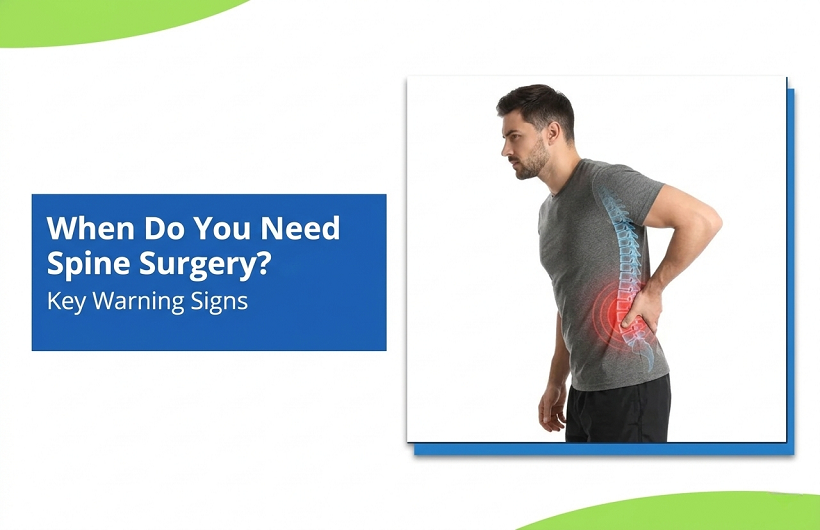
This is the classic symptom. The pain usually begins in the lower back and travels down to the buttocks, thigh, and sometimes the foot. Many people describe it as:
- Sharp or shooting pain
- Burning or electric shock-like pain
- Pain that worsens during sitting, bending, lifting, or twisting
2. Numbness or Tingling
Some patients feel “pins and needles” in the legs or feet. This can happen along with pain or even without much pain.
3. Muscle Weakness
You may find it difficult to stand up, walk properly, or lift your foot. Weakness indicates that the nerve is severely compressed and needs medical attention.
4. Pain on One Side
Sciatica typically affects only one side of the body. If you feel pain on both sides, it’s important to get a proper diagnosis.
If you experience these symptoms for more than a week or if the pain suddenly becomes severe, it is advisable to visit a spine specialist near you for timely evaluation.
What Causes Sciatica Pain?
Sciatica is not a disease itself; it is a symptom of an underlying problem. Several spine-related issues can put pressure on the sciatic nerve, leading to discomfort.
1. Herniated or Slipped Disc
This is the most common cause. When the soft cushion between the spinal bones slips out or bulges, it presses onto the nerve. People who sit for long hours or lift heavy weights incorrectly are more prone to this condition.
2. Degenerative Disc Disease
As we age, the spinal discs begin to wear out. This can cause friction and nerve irritation. Adults above 40 often experience sciatica due to natural wear and tear.
3. Spinal Stenosis
This condition occurs when the spinal canal becomes narrow. The narrowing puts pressure on the sciatic nerve roots, causing chronic pain.
4. Muscle Spasms
Tight muscles in the lower back or buttock area can compress the nerve. This is common among athletes or people who have poor posture.
5. Injury or Trauma
Accidents, falls, or sudden jerks can damage the spinal structures and irritate the nerves.
6. Piriformis Syndrome
The piriformis muscle in the buttocks can sometimes become tight or inflamed, compressing the sciatic nerve.
Knowing the cause is important because it helps select the right sciatica pain treatment for long-term recovery.
What Are the Best Treatment Options for Sciatica Pain?
The good news is that most people recover from sciatica without surgery. Early treatment can prevent the condition from getting worse and restore your mobility faster. Here are the most effective options recommended by experts, including Dr. Samip Sheth.
1. Rest and Lifestyle Changes
Resting for a short period helps reduce inflammation, but complete bed rest is not recommended. Gentle movements, avoiding heavy lifting, and improving posture help in faster healing.
2. Medications
Doctors may prescribe:
- Pain relievers
- Muscle relaxants
- Anti-inflammatory medicines
These reduce swelling and nerve irritation.
3. Physiotherapy
Physiotherapy plays a major role in recovery. A therapist will guide you through spine-strengthening exercises, stretching, and posture correction. These help relieve pressure on the sciatic nerve and prevent future episodes.
4. Hot and Cold Therapy
Cold packs reduce inflammation while heating pads relax tight muscles. Alternating between the two gives good relief in many cases.
5. Epidural Injections
If the pain is severe and is not responding to medicines, steroid injections may be recommended. They reduce inflammation around the nerve root and provide long-lasting relief.
6. Surgical Options
Surgery is only recommended when:
- Pain persists for more than 6–8 weeks
- There is severe nerve compression
- You experience loss of bladder or bowel control
- Weakness in the leg worsens
Modern surgical techniques are minimally invasive, helping patients recover faster.
7. Sports Injury Care
Athletes often develop sciatica due to overuse or sudden twists. A sports injury doctor in Ahmedabad can help diagnose the exact cause and recommend a safe return-to-sport plan.
When Should You See a Sciatica Pain Specialist?
You should consult a sciatica pain specialist in Ahmedabad, like Dr. Samip Sheth, if:
- Your pain lasts more than a week
- Pain or numbness spreads to your legs
- You have trouble walking
- The pain is severe and affects daily activities
- Home remedies are not helping
Early diagnosis ensures faster recovery and prevents long-term complications.
Why Choose an Orthopaedic Clinic for Sciatica Treatment?
A specialised Orthopaedic clinic near you provides comprehensive care for spine-related conditions. With advanced diagnostic tools, personalised treatment plans, and experienced specialists, patients get quicker relief and better results.
Consulting an expert like Dr. Samip Sheth ensures that your treatment is accurate, safe, and tailored to your specific condition.
Final Thoughts
Sciatica can disrupt your daily routine, but with the right guidance and timely care, recovery is absolutely possible. Understanding your symptoms and seeking early treatment helps prevent the condition from becoming chronic. Whether your pain is due to a disc issue, posture problem, or sports injury, proper management can help you get back to an active, pain-free life.
If you are experiencing persistent lower back or leg pain, do not ignore it. Reach out to a qualified specialist for the right sciatica pain treatment and long-term relief.