
Knee pain can disrupt your daily routine, whether you are an athlete, a working professional, or simply trying to stay active. One of the most common causes of knee discomfort is a meniscus tear—a condition that affects the cartilage responsible for cushioning and stabilising the knee joint. While some injuries may seem minor at first, ignoring symptoms can lead to long-term complications. Seeking timely care from an experienced orthopedic surgeon in Ahmedabad can make a significant difference in diagnosis, treatment, and recovery. In this blog, we will explore the different types of meniscus tears, their causes, symptoms, and the most effective treatment options to help you maintain healthy and pain-free knees.
What are meniscus root tears?
A meniscus root tear is a specific type of knee injury where the root (anchor point) of the meniscus gets torn from its attachment to the bone. This is more serious than a typical meniscus tear because the root is what keeps the meniscus functioning properly.
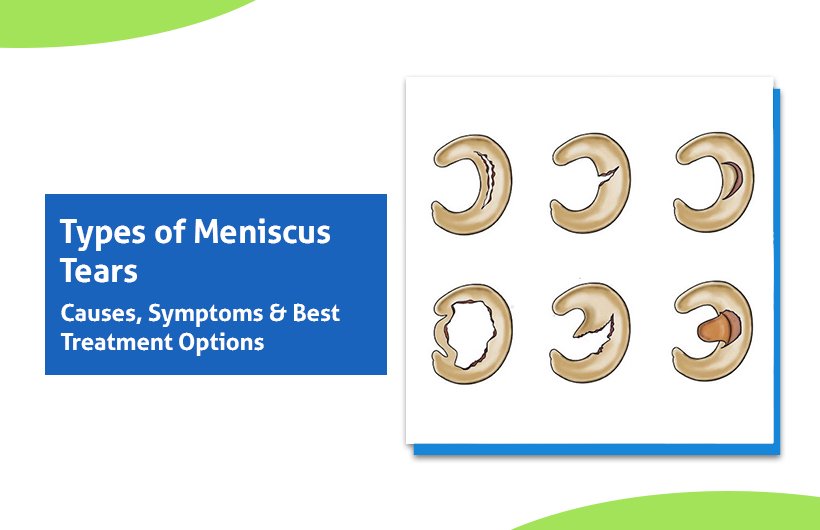
Types of Meniscus Tears
Meniscus tears are classified based on their shape and pattern, usually identified through imaging tests such as MRI scans. Each type affects the knee differently and may require a specific treatment approach.
1. Radial Tear
A radial tear starts at the inner edge of the meniscus and extends outward, resembling spokes on a wheel. Since it often occurs in an area with limited blood supply, healing can be difficult, and surgery may sometimes be necessary.
2. Bucket Handle Tear
This is a severe form of tear in which a portion of the meniscus becomes displaced into the joint. It can cause the knee to lock, making it hard to straighten the leg. This type is commonly linked to sports injuries and usually requires surgical repair.
3. Flap Tear
In a flap tear, a fragment of cartilage becomes loose and forms a flap. This loose piece may get caught in the joint, leading to pain, clicking sensations, or instability during movement.
4. Horizontal Tear
Horizontal tears run parallel to the tibia and are more commonly seen in middle-aged and older adults. They are often associated with degenerative changes in the knee.
5. Complex Tear
A complex tear involves a combination of tear patterns, such as radial and horizontal tears. These are typically found in older individuals where the meniscus has weakened over time.
Causes of Meniscus Tears
Meniscus injuries can result from either sudden trauma or gradual wear and tear.
Common causes include:
- Sports activities involving sudden twisting or pivoting (e.g., football, basketball, tennis)
- Rotating the knee while the foot remains planted
- Deep squatting or lifting heavy objects
- Age-related degeneration of cartilage
- Previous knee injuries, especially ligament damage (such as ACL injuries)
In older adults, even simple movements like standing up or bending can lead to a tear due to weakened cartilage.
Symptoms of a Meniscus Tear
Symptoms may appear immediately or develop gradually within 24–48 hours after injury.
Common signs include:
- Pain in the knee, especially during twisting movements
- Swelling and stiffness
- A popping sensation at the time of injury
- Difficulty bending or straightening the knee
- Locking or catching of the joint
- A feeling of instability or the knee “giving way”
In mild cases, individuals may continue normal activities initially, but symptoms typically worsen over time.
Treatment Options for Meniscus Tears
Treatment depends on factors such as the type, size, and location of the tear, along with the patient’s age and activity level.
Non-Surgical Treatment
Mild tears can often be managed without surgery. Treatment includes:
- Rest and activity modification
- Ice therapy to reduce swelling
- Compression and elevation
- Anti-inflammatory medications
- Physiotherapy to strengthen muscles and improve mobility
These methods are suitable for small tears that do not cause locking or instability.
Arthroscopic Meniscus Repair
If the tear occurs in a well-vascularised area (known as the “red zone”), it can often be repaired surgically. Arthroscopy is a minimally invasive procedure in which small instruments are used to stitch the torn cartilage.
Partial Meniscectomy
When repair is not possible, the damaged portion of the meniscus is removed while preserving as much healthy tissue as possible. This is also performed using arthroscopy and generally allows quicker recovery.
Rehabilitation and Recovery
Rehabilitation is a crucial part of recovery, whether treatment is surgical or non-surgical. Physiotherapy helps restore strength, flexibility, and stability, enabling a safe return to daily activities and sports.
When to Consult a Specialist
Ignoring knee pain can lead to worsening symptoms and long-term complications such as joint damage or early arthritis.
Seek medical attention if:
- Pain persists for several days
- Swelling does not improve with rest
- The knee locks or gets stuck
- Walking or climbing stairs becomes difficult
- You experience instability in the knee
See an Orthopedic Surgeon Near You early timely diagnosis and the right treatment greatly enhance recovery outcomes.
Conclusion
Meniscus tears are among the most common knee injuries, affecting athletes, active individuals, and even older adults. Understanding the different types of tears and recognising their symptoms early can make a significant difference in getting the right treatment at the right time.
Treatment options vary based on the severity of the injury, ranging from rest and physiotherapy to minimally invasive surgical procedures. Seeking timely care not only helps relieve pain but also prevents long-term damage to the knee joint.
If you’re experiencing ongoing knee pain, swelling, or limited mobility, it’s important not to ignore these signs. Consulting an experienced orthopaedic specialist in Ahmedabad can ensure an accurate diagnosis and a personalised treatment plan, helping you return to your daily activities safely and confidently.