Joint pain can quietly take over your daily life, making simple movements like walking, climbing stairs, or even sitting feel difficult. Conditions such as arthritis, injuries, or age-related wear and tear often lead to stiffness, swelling, and reduced mobility over time. When treatments like medications, physiotherapy, and lifestyle changes no longer bring relief, it may be time to consider a more lasting solution.
Consulting the Best Orthopedic Surgeon in Ahmedabad can help you explore advanced options like total joint replacement. This procedure is designed to relieve pain and restore movement by replacing damaged joint surfaces with artificial components. In this blog, we’ll break down everything you need to know about total joint replacement—from who needs it and how it works to recovery timelines and practical tips for achieving the best results.
What Is Total Joint Replacement?
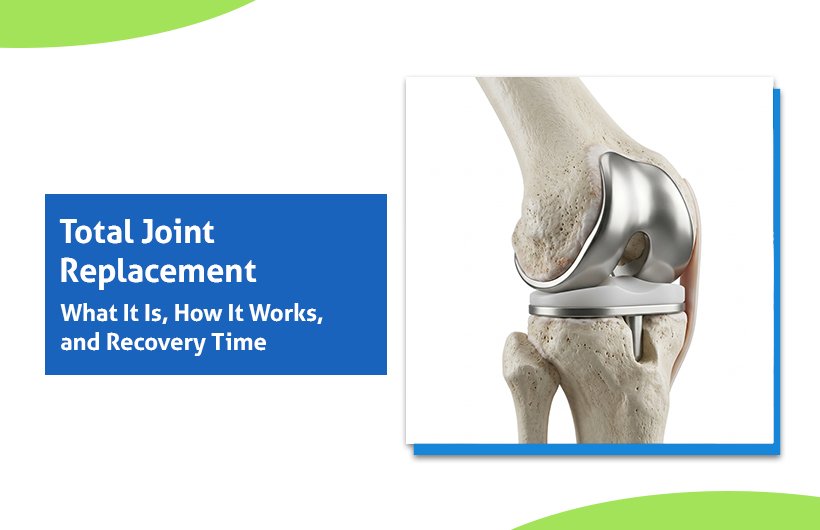
In simple terms, Total Joint Replacement (also known as arthroplasty) is a surgical procedure where an arthritic or damaged joint is removed and replaced with a metal, plastic, or ceramic device called a prosthesis.
Commonly Replaced Joints:
- knee: The most common joint replacement.
- Hip: Highly effective for restoring walking gait.
- Shoulder: Often necessary for severe rotator cuff issues or arthritis.
These artificial joints are designed to replicate the smooth, gliding motion of a healthy human joint, allowing for fluid movement without the “bone-on-bone” friction that causes pain.
Who Needs Total Joint Replacement?
Surgery is rarely the first step, but it becomes a vital option when conservative treatments (like physical therapy or injections) no longer work.
Common Symptoms & Conditions:
- Severe Pain: Aching that keeps you awake at night or limits daily activities.
- Stiffness: Inability to fully straighten or bend the joint.
- Conditions: Osteoarthritis (wear-and-tear), Rheumatoid Arthritis (inflammatory), or post-traumatic arthritis following a serious injury.
When to see a specialist?
If you find yourself relying on a walker or cane, or if joint pain is significantly affecting your quality of life, it’s time to consult an Orthopaedic surgeon Near You for expert evaluation and the right treatment plan.
Benefits of Total Joint Replacement
The primary goal of Joint Replacement Surgery isn’t just to fix a bone; it’s to give you your life back.
- Significant Pain Relief: Most patients experience a near-total elimination of chronic pain.
- Restored Mobility: Improved range of motion allows for a return to hobbies and exercise.
- Better Quality of Life: Freedom from pain leads to improved mental health and social engagement.
- Longevity: Modern implants are designed to last 15 to 25 years, making this a long-term solution for aging adults.
The Procedure: What to Expect
Pre-Surgery Preparation
Your medical team will perform blood tests, an EKG, and physical exams to ensure you are fit for surgery. You may also be asked to strengthen the muscles around the joint through “pre-hab” exercises.
Step-by-Step Overview
- Anesthesia: You will be under general anesthesia or a regional block.
- The Swap: The surgeon removes the damaged cartilage and bone.
- Installation: The prosthesis is precisely fitted and secured using specialized bone cement or a “press-fit” technique that allows bone to grow into the implant.
Duration
The surgery typically lasts 1 to 2 hours. While many patients now go home the same day (outpatient), some may stay in the hospital for 1–2 nights for observation.
Recovery & Rehabilitation
Recovery is a marathon, not a sprint. Success depends heavily on your commitment to the healing process.
| Phase | Timeline | Focus |
| Early Recovery | Weeks 1–2 | Managing swelling and walking with assistance. |
| Intermediate | Weeks 3–6 | Regaining range of motion and returning to light activities. |
| Long-term | 3–6 Months | Returning to low-impact sports and full strength. |
The Role of Physiotherapy: You will likely begin moving the joint within hours of surgery. Physical therapy is non-negotiable; it prevents scar tissue from “freezing” the joint and ensures the surrounding muscles are strong enough to support your new hardware.
Risks & Complications
While complications occur in less than 2% of cases, it is important to be aware of:
- Infection: Managed with sterile environments and antibiotics.
- Blood Clots: Prevented with blood thinners and early movement.
- Implant Wear: Over many years, the joint may loosen or wear down.
Surgeons minimize these risks through advanced robotic-assisted technology and rigorous post-operative monitoring.
Tips for a Faster Recovery
- Eat for Healing: Prioritize protein for tissue repair and Vitamin C/Zinc for immune support.
- Home Prep: Remove rugs, install grab bars, and set up a “recovery station” on the ground floor to avoid stairs.
- Keep Moving: Follow your exercise plan religiously, but don’t push into “sharp” pain.
- Hydration: Proper fluid intake helps manage the side effects of pain medication and aids circulation.
Take the First Step Toward a Pain-Free Life
Don’t let chronic joint stiffness control your life or limit what you enjoy. With the expertise of an Arthroscopy and Joint Replacement Surgeon, total joint replacement becomes more than just a procedure—it’s your opportunity to regain mobility, independence, and confidence. Whether you want to get back to sports, spend active time with family, or simply move without pain, a better quality of life is within reach.
Ready to take the next step toward pain-free movement? Connect with our experienced Arthroscopy and Joint Replacement Surgeon today for a detailed consultation. Together, we’ll explore the best treatment options and help you move toward a healthier, more active future.