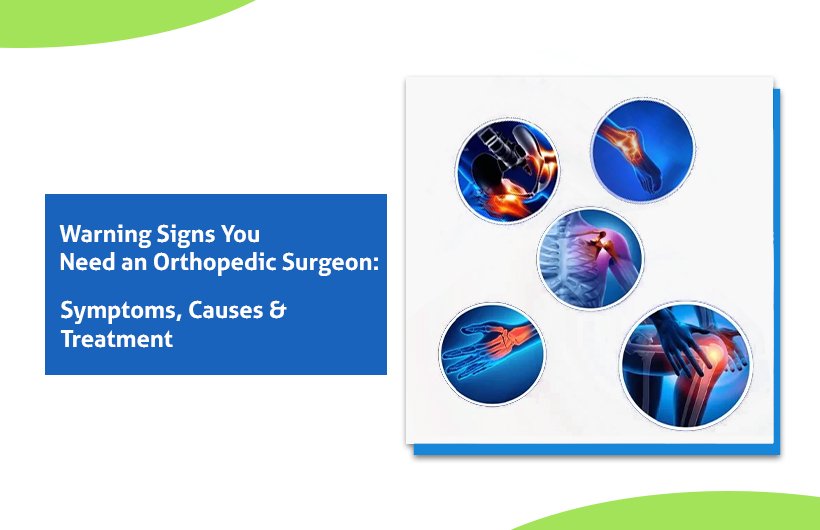
Ignoring persistent aches or untreated injuries can lead to serious mobility problems over time. While some muscle pain improves with rest and medication, certain symptoms should never be overlooked. Recognizing when to seek help from an experienced Orthopaedic Surgeon in Ahmedabad can play a crucial role in preventing long-term complications and ensuring faster recovery. Early diagnosis and expert treatment can help you regain mobility, reduce pain, and return to your daily activities with confidence.
Understanding the Role of an Orthopaedic Specialist
An orthopaedic specialist is a medical professional who focuses on diagnosing, treating, preventing, and rehabilitating conditions related to the musculoskeletal system. This system includes bones, joints, muscles, ligaments, tendons, and nerves that help the body move and function properly.
Orthopaedic specialists play an important role in improving mobility, reducing pain, and enhancing the overall quality of life for patients suffering from injuries, chronic conditions, or age-related disorders.
What Does an Orthopaedic Specialist Do?
Orthopaedic specialists treat a wide range of conditions affecting different parts of the body. Their responsibilities include:
- Diagnosing bone and joint disorders
- Treating fractures and sports injuries
- Managing arthritis and chronic pain
- Performing surgeries when necessary
- Providing rehabilitation and recovery plans
- Helping patients regain strength and mobility
They use advanced diagnostic tools such as X-rays, MRI scans, CT scans, and physical examinations to identify the root cause of a patient’s problem.
Symptoms: When to See an Orthopaedic Surgeon
If you are experiencing any of the following symptoms, it is advisable to seek professional medical advice:
1. Chronic Joint Pain
While occasional soreness is common, chronic joint pain that persists for several weeks without improvement is a major red flag. This often indicates underlying issues like cartilage wear or inflammation that requires a clinical diagnosis.
2. Struggling with Daily Tasks
If climbing stairs, walking the dog, or reaching for a cupboard has become painful or impossible, your mobility is compromised. When you find yourself struggling with daily tasks, your joints may be suffering from significant wear and tear.
3. Limited Range of Motion
Joints should move fluidly. If you notice your knees feel “locked,” your shoulders feel tight, or you have a limited range of motion that makes it difficult to fully straighten or bend your limbs, it could indicate arthritis or ligament damage.
4. Movement-Aggravated Pain
Pain that stays quiet while you rest but flares up during activity—known as movement-aggravated pain—is a classic sign of structural issues. This often points to problems like tendonitis or stress fractures.
5. Joint Pain or Oedema (Swelling)
Persistent joint pain or oedema (swelling) is the body’s way of signalling injury. If a joint is consistently swollen, red, or warm to the touch, it indicates an inflammatory process or fluid buildup that needs an orthopaedic specialist for pain management.
6. Chronic Back Pain
Back issues can stem from discs, nerves, or muscles. Chronic back pain that radiates down the legs or prevents you from standing straight should be evaluated to rule out degenerative disc disease or spinal stenosis.
7. Numbness or Tingling
Persistent “pins and needles” or numbness and tingling in your hands, arms, or legs often stems from nerve compression related to spinal issues or joint inflammation. An orthopaedic surgeon can determine if the issue is structural, such as a herniated disc.
Common Causes of Orthopaedic Conditions
Orthopaedic issues can arise from a variety of lifestyle factors and biological conditions. Understanding when to see an orthopaedic surgeon often starts with identifying these root causes:
- Degenerative Diseases: Conditions like Osteoarthritis and Rheumatoid Arthritis cause the gradual wear-down of protective cartilage.
- Acute Injuries: Sudden trauma from falls, accidents, or sports, resulting in fractures, ACL tears, or meniscus damage.
- Overuse & Repetitive Strain: Repeated motions at work or during exercise that led to tendonitis or carpal tunnel syndrome.
- Age-Related Changes: Natural loss of bone density (osteoporosis) or spinal disc degeneration over time.
- Congenital Issues: Structural abnormalities present from birth that may cause pain as the body grows.
Treatment Options: From Therapy to Surgery
A consultation with a specialist does not always result in surgery. Modern orthopaedics prioritizes the least invasive method to restore function:
Non-Surgical (Conservative) Treatments
- Physical Therapy: Targeted exercises to strengthen supporting muscles and improve flexibility.
- Medications: Anti-inflammatory drugs and pain relievers to manage symptoms.
- Injections: Corticosteroid or PRP (Platelet-Rich Plasma) therapy to reduce inflammation and promote tissue healing.
Surgical Interventions
- Arthroscopy: A minimally invasive procedure using small incisions and a camera to repair joint damage.
- Fracture Repair: Using pins, plates, or screws to ensure bones heal in the correct alignment.
- Joint Replacement: Replacing a severely damaged joint (like the hip or knee) with a high-tech prosthetic to restore mobility.
- Spinal Decompression: Procedures to relieve pressure on nerves causing chronic back pain or numbness.
Conclusion
Your mobility is your independence, and acting at the right time can make all the difference. Ignoring persistent joint pain, stiffness, swelling, or restricted movement may lead to long-term complications. Consulting an experienced Arthroscopy and Joint Replacement Surgeon like Dr. Samip Sheth can help diagnose the root cause early and provide the right treatment to restore your comfort and active lifestyle. Don’t let pain limit your daily life—seek expert orthopaedic care and take the first step toward pain-free movement.